

Hey everyone, this is Eirini and I’m here to get you through your exam period… stress-free!
Let’s be honest — we’ve all stared at a page for 20 minutes only to realize we absorbed absolutely nothing. Studying doesn’t have to feel like a chore or take up your whole day. The trick is using the right methods — the ones that make your brain go, “Ohh, I get it now!”
Here are six study strategies that actually work — backed by science, and tested by students who know the struggle is real.
1. Figure Out How You Learn Best
Before you even open your notes, ask yourself: How do I take in information best?
- Visual learners thrive with diagrams, mind maps, and color-coded notes.
- Auditory learners retain more by listening, discussing, or recording lectures.
- Kinesthetic learners prefer hands-on practice and movement-based learning.
- Reading/writing learners like… well, reading and writing.
Once you know your style, you can customize your study sessions to match. It’s a total game-changer.
2. Use the Pomodoro Technique (or Something Like It)
This one’s a classic for a reason. You study for 25 minutes, then take a 5-minute break. Or, alternatively, you do a 50-10 session. After four “Pomodoros,” take a longer break (15-30 minutes).
It keeps your brain focused without frying it. Plus, the short bursts of work make it easier to start (and harder to procrastinate).
💡 Tip: Pair this with an app like Forest or Pomodoro Timer if you want a fun, trackable way to stay consistent.
3. Ditch Passive Reading — Try Active Recall Instead
Reading the same notes over and over? That’s passive learning. Instead, try:
- Active recall: Close your book and quiz yourself.
- Spaced repetition: Use flashcards to review material (great with apps like Anki or Quizlet).
- The Feynman Technique: Teach what you learned in simple words — even if it’s to your dog.
These methods force your brain to retrieve information, which strengthens memory.
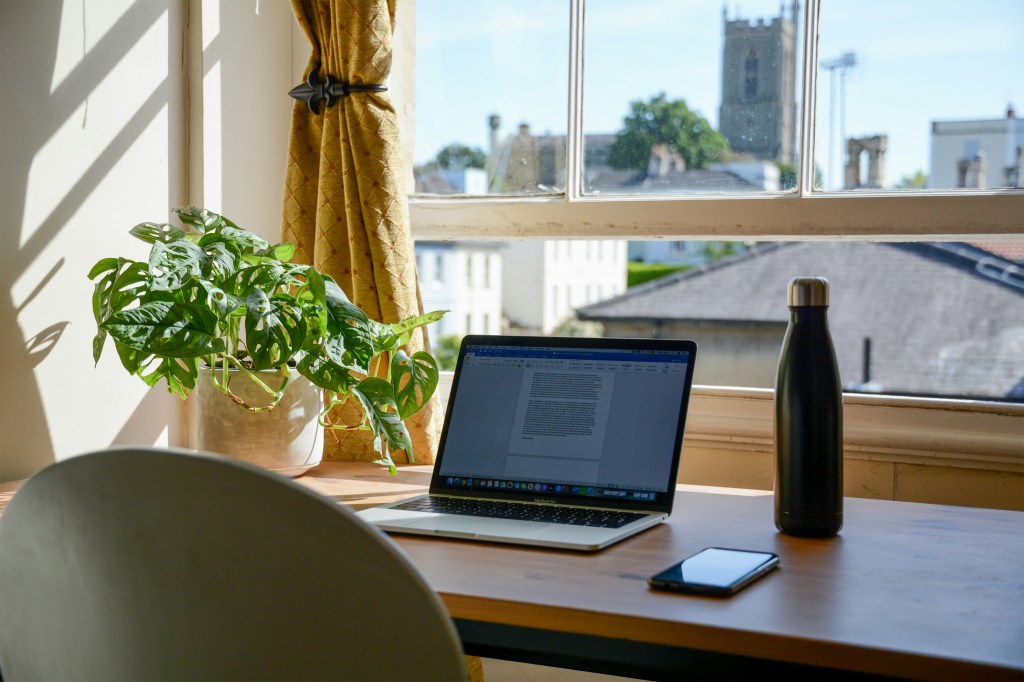
4. Set Up a Study Zone That Works For You
Environment matters more than we think. If possible, find a spot that’s quiet and clutter-free. Also, avoid studying in your chill or sleep space if possible.
If a silent place isn’t available, lo-fi beats or ambient noise (like rain sounds) can help you focus. Just don’t fall into a YouTube rabbit hole. We’ve all been there.
5. Take Care of Your Brain (and Body)
You can’t focus if you’re running on 3 hours of sleep, 1 coffee, and vibes.
- Sleep: Aim for 7-9 hours — it literally helps with memory retention.
- Water: Hydration = better concentration.
- Movement: Even a short walk clears your mind and improves recall.
- Food: Make sure to have regular, healthy meals to keep your brain going
6. Try Tools That Make Studying Easier
Some apps that make the whole thing smoother:
- 🗂 Notion or Evernote – organize your notes
- 🔁 Quizlet or Anki – flashcards made fun
- ⏳ Forest – focus timer with trees (yes, really)
Find the ones that fit your vibe and stick with them.
 Diamond blog